In the logistics and supply chain industry, maintaining cold chain compliance is critical for businesses handling temperature-sensitive products. Whether it’s fresh food, frozen goods, pharmaceuticals, or vaccines, ensuring that products remain within strict temperature ranges throughout storage and transit is essential for safety, quality, and regulatory adherence.
In this blog, we’ll explore what cold chain compliance is, why it matters, and how it works in practice.
What is Cold Chain Compliance?
Cold chain compliance refers to following strict procedures and regulations to maintain a continuous temperature-controlled supply chain. A “cold chain” involves every stage of handling perishable or temperature-sensitive products from production and storage to transportation and delivery.
Compliance ensures that goods are stored, transported, and handled at the correct temperatures, preventing spoilage, contamination, or reduced efficacy. Non-compliance can lead to financial loss, legal penalties, and, in the case of food or pharmaceuticals, serious health risks.
Why is Cold Chain Compliance Important?
- Product Safety
Temperature-sensitive goods, especially perishable foods and vaccines, can quickly become unsafe if stored incorrectly. Cold chain compliance ensures that products remain safe for consumption or use. - Regulatory Requirements
Government and industry bodies, such as the Australian Department of Health, FSANZ (Food Standards Australia New Zealand), and TGA (Therapeutic Goods Administration), enforce strict cold chain guidelines. Compliance protects businesses from penalties and liability. - Preservation of Quality and Efficacy
Cold chain compliance maintains the integrity, effectiveness, and shelf life of products. This is especially crucial for pharmaceuticals, biologics, and high-value perishable foods. - Consumer Trust
Maintaining a reliable cold chain ensures that end customers receive products in perfect condition, which strengthens brand reputation and loyalty.
How does Cold Chain Compliance Work?
Cold chain compliance involves several key steps across the supply chain:
1. Temperature-Controlled Storage
Products are stored in refrigerated or frozen warehouses, with temperatures monitored and maintained 24/7. Advanced sensors and alarm systems notify staff of any deviations immediately.
2. Temperature-Monitored Transport
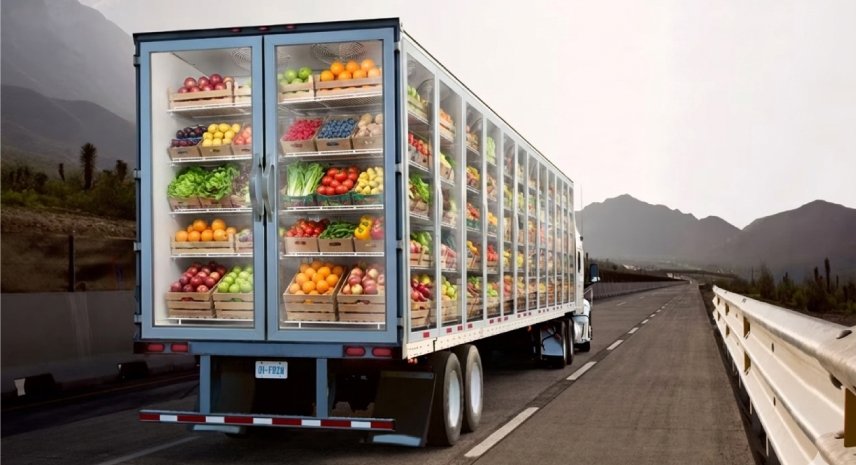
Refrigerated trucks, vans, or containers are used for transit, equipped with temperature control units and real-time monitoring systems. These systems track temperature, humidity, and location, ensuring that products remain within safe ranges.
3. Validated Procedures and Documentation
Cold chain compliance requires standard operating procedures (SOPs) for handling, loading, unloading, and transportation. Proper documentation is maintained to track temperature records, equipment calibration, and compliance checks, providing evidence in case of audits.
4. Training and Staff Awareness
Personnel involved in the cold chain must be trained to handle temperature-sensitive products correctly, including emergency protocols if equipment fails or temperatures deviate.
5. Audits and Quality Checks
Regular audits and inspections ensure that storage and transportation practices meet regulatory standards. Any breaches in compliance are identified and corrected promptly.
Technologies That Support Cold Chain Compliance
Modern cold chain compliance relies on technology to maintain and monitor temperatures:
- IoT Sensors: Continuously monitor temperature and humidity in real time.
- GPS Tracking: Provides visibility of shipments during transit.
- Data Loggers: Record temperature history for reporting and audits.
- Alarm Systems: Alert staff to temperature deviations immediately, allowing quick corrective action.
These technologies help businesses ensure transparency, accountability, and regulatory compliance.
Industries That Depend on Cold Chain Compliance
Cold chain compliance is essential across multiple industries:
- Food and Beverage: Fresh produce, dairy, meat, seafood, and frozen goods.
- Pharmaceuticals and Healthcare: Medicines, vaccines, biologics, and diagnostics.
- Chemical Industry: Temperature-sensitive chemicals and reagents.
- Floral Industry: Flowers and plants that require climate-controlled storage and transport.
Without proper cold chain compliance, these industries risk product spoilage, financial loss, and potential harm to consumers.
Conclusion
Cold chain compliance is a vital part of modern logistics. By maintaining proper temperatures, monitoring storage and transport conditions, training staff, and following regulatory guidelines, businesses can ensure that perishable and sensitive products reach their destination safely and in optimal condition.
For companies shipping perishable goods across Australia, partnering with an experienced refrigerated transport provider that follows strict cold chain compliance standards is key to maintaining product quality, protecting consumers, and staying compliant with regulations.