In the world of logistics and supply chain management, especially when dealing with perishable and temperature-sensitive goods, understanding temperature zones is crucial. From fresh produce and frozen foods to pharmaceuticals and biologics, maintaining the correct temperature at every stage of transport and storage is essential to ensure safety, quality, and compliance.
In this blog, we will explore what temperature zones are, their classifications, and why they matter in cold chain logistics.
What Are Temperature Zones?
Temperature zones are defined ranges of temperatures used to store, handle, and transport perishable or temperature-sensitive goods. Each type of product has an optimal temperature range to maintain its freshness, efficacy, or stability.
Proper management of temperature zones ensures that goods:
- Retain their quality and nutritional value
- Remain safe for consumption or use
- Comply with regulatory requirements
Common Temperature Zones in Logistics
- Frozen Zone (-18°C and below)
- Used for: Frozen meats, seafood, ice cream, and certain pharmaceuticals.
- Purpose: Keeps products solid and prevents microbial growth.
- Chilled Zone (0°C to 5°C)
- Used for: Fresh fruits, vegetables, dairy products, and some vaccines.
- Purpose: Slows down spoilage and maintains freshness without freezing.
- Cool Zone (8°C to 15°C)
- Used for: Wines, chocolates, certain chemicals, and some pharmaceuticals.
- Purpose: Maintains product integrity while avoiding damage from cold.
- Ambient Zone (15°C to 25°C)
- Used for: Non-perishable goods and items that do not require refrigeration.
- Purpose: Standard storage for room-temperature-stable products.
- Controlled Room Temperature (CRT)
- Often refers to regulated ranges used for pharmaceuticals, typically 15°C–25°C.
- Purpose: Ensures medication efficacy and stability during transport and storage.
Why Temperature Zones Matter?
- Product Safety
Temperature-sensitive goods can quickly become unsafe if stored or transported outside their designated zone. For example, chilled foods exposed to higher temperatures may spoil, while frozen items may partially thaw. - Regulatory Compliance
Food, pharmaceutical, and chemical industries are subject to strict temperature control regulations. Adhering to the correct temperature zones is necessary to meet standards set by authorities such as FSANZ, TGA, and other regulatory bodies. - Maintaining Quality and Shelf Life
Correct temperature zones preserve the taste, texture, nutritional value, and efficacy of products. Even minor deviations can reduce shelf life and impact customer satisfaction. - Efficiency in Cold Chain Logistics
Segregating goods by temperature zones allows logistics providers to optimise storage and transportation. It reduces the risk of cross-contamination and ensures that each product is kept in its ideal environment.
How do Logistics Providers Manage Temperature Zones?
Modern logistics and cold chain solutions rely on advanced technologies to maintain temperature zones:
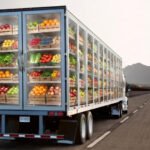
- Refrigerated Trucks and Containers: Equipped with temperature control units that can maintain multiple zones.
- Real-Time Temperature Monitoring: Sensors track temperature throughout transit, alerting operators to deviations.
- Temperature Mapping in Warehouses: Ensures storage areas maintain consistent temperatures for different zones.
- Data Logging and Reporting: Maintains a detailed record of temperature compliance for audits and quality assurance.
Industries That Rely on Temperature Zones
Temperature zones are crucial across several industries:
- Food and Beverage: Fresh produce, frozen foods, dairy, seafood, and confectionery.
- Pharmaceuticals and Healthcare: Medicines, vaccines, biologics, and diagnostics.
- Floral Industry: Flowers and plants are sensitive to heat and cold.
- Chemical Industry: Temperature-sensitive chemicals and reagents.
Adhering to correct temperature zones helps businesses maintain quality, meet regulations, and deliver safe products to consumers.
Conclusion
Understanding and maintaining temperature zones is a cornerstone of cold chain logistics. By ensuring that products are stored and transported within their optimal temperature ranges, businesses can preserve quality, comply with regulations, and deliver safe, fresh, and effective goods to their customers.
For companies shipping perishable or sensitive products, partnering with a logistics provider experienced in managing temperature zones is key to maintaining product integrity throughout the supply chain.