In today’s fast-paced logistics industry, transporting perishable goods safely and efficiently is more important than ever. Whether it’s fresh produce, frozen food, pharmaceuticals, or temperature-sensitive chemicals, many products require strict temperature control to maintain their quality and safety.
In this blog, we will explore what refrigerated transport is, why it’s essential, how it works, and its benefits for businesses across Australia.
Refrigerated Transport
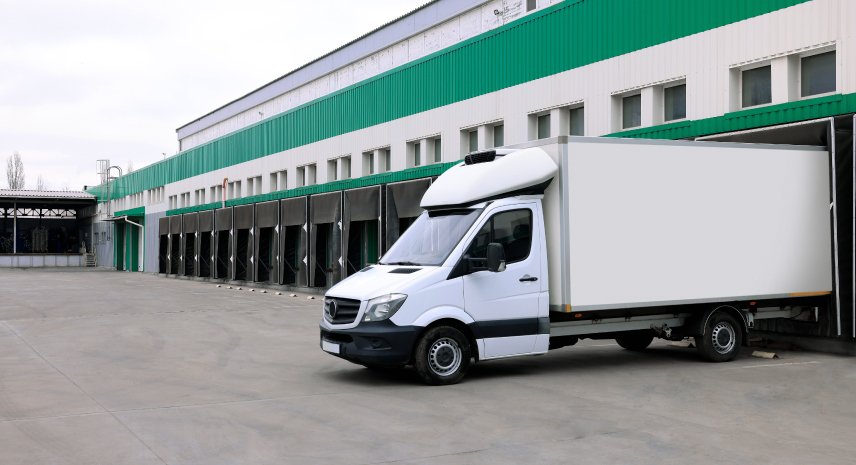
Refrigerated transport, also called reefer transport, refers to the movement of temperature-sensitive goods using vehicles equipped with specialised refrigeration units. These vehicles maintain a controlled environment, protecting goods from spoilage or degradation during transit.
Different products require different temperature ranges:
- Fresh produce: 0–5°C
- Frozen food: -18°C or lower
- Dairy products: 1–4°C
- Pharmaceuticals and vaccines: 2–8°C or strictly regulated ranges
Maintaining these temperatures ensures that goods arrive in optimal condition, preserving quality, safety, and compliance with industry regulations.
Why is Refrigerated Transport Vital?
- Preserving Product Quality
Temperature fluctuations can quickly damage perishable items. Refrigerated transport maintains a stable environment, preserving freshness, flavour, and nutritional value. - Extending Shelf Life
By keeping products at ideal temperatures, refrigerated transport extends shelf life, reduces wastage, and increases profitability for suppliers and retailers. - Ensuring Safety and Compliance
Many perishable goods, including food and pharmaceuticals, are subject to strict regulations. Proper refrigerated transport ensures compliance with safety standards, protecting both consumers and businesses. - Nationwide Distribution
In a country as vast as Australia, refrigerated transport enables businesses to safely deliver perishable goods to urban centres and remote regions alike. - Supporting the Cold Chain
Refrigerated transport is a key part of the cold chain, a temperature-controlled supply chain that spans production, storage, and delivery. Maintaining the cold chain is essential for products like vaccines, frozen seafood, and speciality foods.
Types of Refrigerated Transport
Temperature-controlled logistics solutions can include:
- Refrigerated Trucks: Ideal for regional and national distribution, with precise temperature control.
- Refrigerated Containers: Perfect for long-haul and intermodal shipping via road, rail, or sea.
- Temperature-Controlled Vans: Best for smaller or urgent deliveries requiring speed and flexibility.
Each type features advanced refrigeration technology and real-time monitoring to ensure goods remain at the correct temperature throughout transit.
Industries That Rely on Refrigerated Transport
Refrigerated transport is essential for multiple industries, including:
- Food and Beverage: Fresh fruits, vegetables, dairy, meat, seafood, and frozen products.
- Pharmaceuticals: Medicines, vaccines, and biologics requiring strict temperature control.
- Floral Industry: Flowers and plants are sensitive to heat.
- Chemical Industry: Temperature-sensitive chemicals that must remain stable.
Reliable refrigerated transport ensures these industries can maintain product quality, comply with regulations, and meet customer expectations.
Benefits of Professional Refrigerated Transport Services
Partnering with an experienced refrigerated transport provider offers several advantages:
- Advanced Temperature Control: Ensures precision for all types of perishable goods.
- Real-Time Tracking and Monitoring: Provides visibility and alerts for any deviations.
- Expert Handling: Trained personnel manage goods carefully to prevent damage.
- Custom Solutions: Flexible options for different shipment sizes, distances, and industries.
- Nationwide Coverage: Ensures timely delivery across Australia, even to remote areas.
Conclusion
Refrigerated transport is more than just moving goods; it’s about maintaining quality, safety, and compliance across the supply chain. From extending shelf life to supporting cold chain logistics, it plays a crucial role in delivering perishable goods reliably.
Businesses across Australia rely on professional refrigerated transport to protect their products, enhance customer satisfaction, and expand their market reach. With the right partner, temperature-sensitive shipments can travel safely across the country, arriving fresh and ready for use.